
Roger Yamanaka, PT
A clinical eye. A performance mindset. A whole-system view. An uncommon combination of clinical rehabilitation, orthopedic expertise, athletic preparation, and applied neuroscience—developed across nearly three decades of learning and practice.
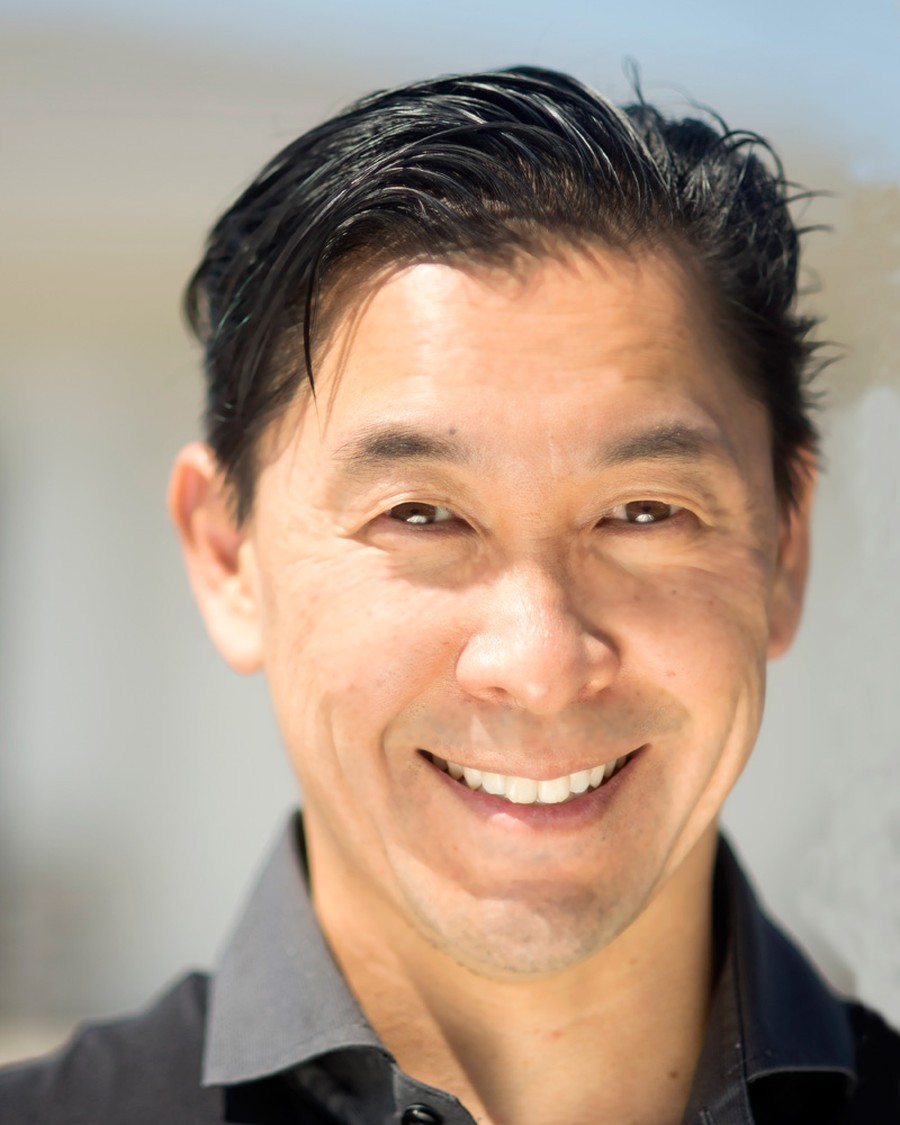
An experienced clinician who kept widening the lens.
Roger began as an orthopedic physical therapist and athletic trainer—trained at UCLA and Boston University, with an orthopedic residency at Cedars-Sinai, where he later served as a Senior Mentor in the Physical Therapy Department. He has also taught as a Clinical Instructor in the Mount Saint Mary's University Doctor of Physical Therapy program.
Over the years, a pattern kept showing up: people who had done the right things—good physical therapy, good training, good manual care—whose improvements never quite held. That pattern led him into applied neuroscience, sensory-motor assessment, fascial work, and performance neuroscience, not as a replacement for his orthopedic foundation but as a way to see more of the picture.
Today his work sits at the intersection of physical therapy, applied neuroscience, and human performance. He treats it as training and optimization—not just rehabilitation—for people who expect a lot from their bodies and want to keep expecting it.
UCLA · Boston University
B.S. Physiological Sciences, University of California, Los Angeles.
M.S. Physical Therapy, Boston University.
Cedars-Sinai Medical Center
Orthopedic Residency. Former Senior Mentor, Cedars-Sinai Physical Therapy Department.
Mount Saint Mary's University
Former Clinical Instructor and Educator, Doctor of Physical Therapy Program.
Credentials that span the whole system.
Few practitioners hold a clinical license, an athletic-training credential, a strength-and-conditioning credential, and advanced training in applied neuroscience at the same time. That breadth is the point.
Assess carefully. Intervene selectively. Retest the result.
- Private and one-on-one. Every session is with Roger. No handoffs.
- Explanation before intervention. You should understand why something is being done before it's done.
- Respect for what you've already tried. Previous care isn't discarded; it's built on.
- Hedged, honest language. Where a mechanism is likely rather than proven, Roger will say so.
- Measured, not promised. Baselines, retests, and real-world carryover—not guarantees.
Work with
Roger.
If the approach resonates, the next step is a conversation about your goals and whether this is the right fit.
Request a Private Assessment ↗